
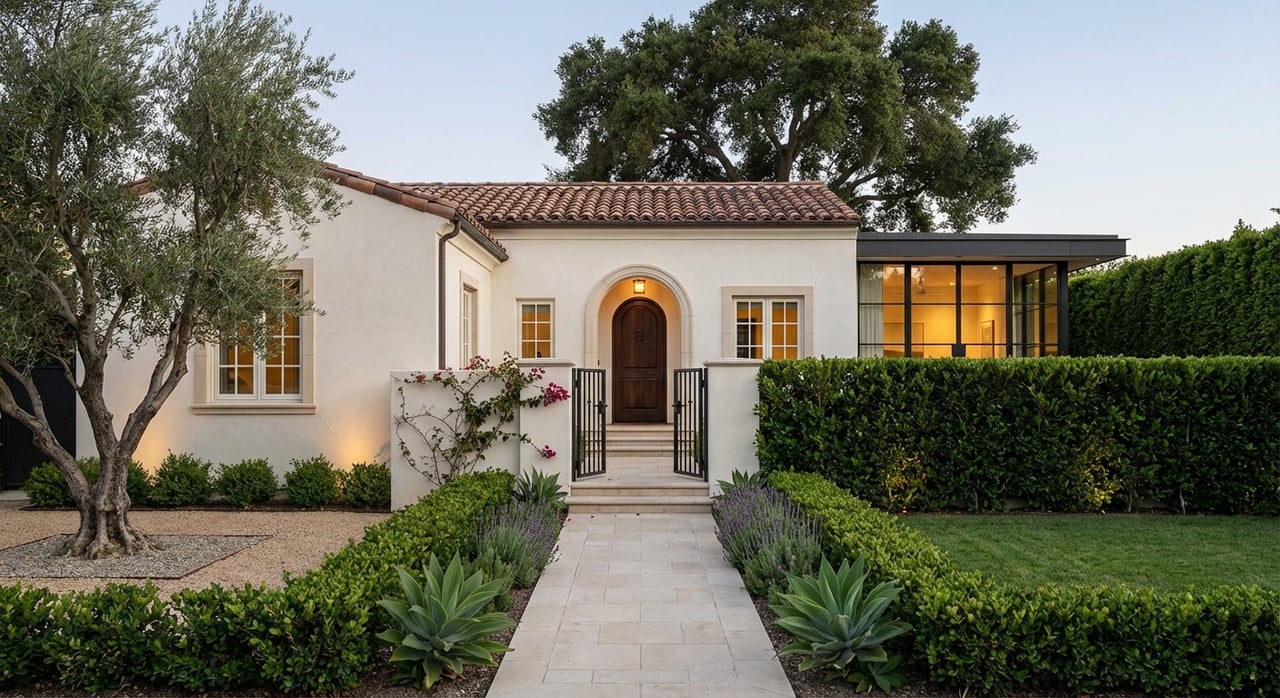
What makes a Beverly Hills estate unforgettable is rarely just square footage. It is the architecture, the way a home sits on its lot, and how rooms open to sunlight, gardens, and views. If you are buying, that character helps you zero in on the right fit. If you are selling, it shapes your marketing story, your renovation choices, and your results. In this guide, you will learn the signature styles that define Beverly Hills estates, how each one influences value, and practical ways to preserve or present what matters most. Let’s dive in.
Why style matters in Beverly Hills
Beverly Hills is a top-tier market where style communicates lifestyle, craftsmanship, and history. Luxury buyers tend to prioritize lot, privacy, views, pools, and provenance over raw size. Recent market snapshots show continued demand for well-positioned, well-presented estates, supporting the case that presentation and placement carry real weight for outcomes. You can see this dynamic reflected in neighborhood trend data and luxury sales coverage that point to buyer focus on privacy and amenity-rich living in marquee enclaves. For market context on high-end demand patterns, review the Beverly Hills market-trends overview from PropertyShark, which highlights continued strength in premium segments.
- Buyer lens: lifestyle, privacy, and provenance often rank before finish-levels.
- Seller lens: architecture sets the story that great marketing and staging bring to life.
- Strategy lens: your approach differs if you are preserving authenticity vs. positioning a turnkey trophy.
For named-architect or celebrity-owned homes, provenance can lift visibility and help match a property with the right buyer segment. Profiles of master architects active in Los Angeles, such as Paul R. Williams, underscore how documented authorship can strengthen a listing’s narrative and outreach. Referencing the architect accurately in your marketing materials is key.
Mediterranean and Spanish Revival
Mediterranean and Spanish Colonial Revival, often called California Mediterranean, is one of the city’s most enduring looks. You will recognize it by smooth or textured stucco walls, red clay barrel-tile roofs, arched openings, interior courtyards, and handcrafted details like wrought iron and decorative tile. Regional examples from the Los Angeles Conservancy illustrate how warm earth tones, carved beams, and tiled stair risers deliver that timeless California character.
Where to find it: Many of these homes date to the 1920s through the 1940s and appear throughout the Beverly Hills Flats and older pockets south of Wilshire. The style’s scale ranges from romantic courtyard villas to grand estates with formal gardens.
Buyer appeal and marketing: Emphasize original tilework, beams, and the indoor-outdoor courtyard flow. When provenance is documented, it should be featured carefully in marketing copy and photography to attract design-minded buyers. Historic examples showcased by the LA Conservancy demonstrate how craftsmanship and intact details resonate with preservation-aware audiences.
Renovation notes: Focus on sensitive system upgrades that respect the home’s massing and materials. Stucco maintenance, clay-tile roofing, and vintage plumbing or electrical are common items to address. If a property may be historically significant, review the City of Beverly Hills guidance on historic status and approvals early in planning to understand how exterior changes are reviewed.
- Preserve: courtyard plans, plasterwork, original tile, and ironwork.
- Update discreetly: HVAC, plumbing, and seismic anchoring without altering key sightlines.
- Disclose: roof condition, stucco repairs, and system age with clear documentation.
Mid-century Modern and Trousdale Modern
Mid-century architecture in Beverly Hills is most strongly associated with Trousdale Estates and hillside pockets, built primarily from the 1940s through the 1960s. Look for long horizontal lines, flat or low-slung roofs, post-and-beam construction, walls of glass, clerestory windows, and layouts that choreograph views and garden terraces.
Buyer appeal and marketing: Design collectors value authenticity. Original sightlines, glazing patterns, ceiling planes, and built-ins signal integrity. Specialist analyses and preservation conversations note that style authenticity can be decisive for this audience, while overly generic modernizations often dilute appeal. When provenance is available, include the architect’s name and original plans in your listing narrative and press outreach.
Renovation notes: Prioritize structural and system performance while keeping sightlines and indoor-outdoor flow intact. Target electrical, HVAC, weatherization, and seismic upgrades that improve livability without erasing defining details.
- Preserve: post-and-beam ceilings, clerestory glass, original stone or wood elements.
- Upgrade: glazing performance and seismic bracing with minimally visible interventions.
- Document: any restorations and materials to support buyer confidence.
For context on how mid-century buyers evaluate authenticity and why it can influence outcomes, see heritage market discussions that address preservation-minded purchasing behavior.
Contemporary trophy estates
Contemporary estates in Beverly Hills aim for drama and ease of living. They often replace earlier houses and feature expansive glass, strong volumes, minimalist detailing, integrated tech, and resort-like outdoor programs. An illustrated example in Trousdale highlights the look: broad panes of glass, seamless terraces, water features, and a high-function entertainment core.
Buyer appeal and marketing: Position these properties as turnkey trophies. Focus on privacy, views, entertainability, technology, and resilience features that appeal to global ultra-high-net-worth buyers. Market-trend overviews of Beverly Hills consistently note the draw of well-sited, amenity-rich builds for this segment.
Renovation or rebuild notes: New construction can outperform when location, views, and lot size are the primary value drivers. Balance that with environmental and permitting considerations. Preservation research from the National Trust notes the long-term sustainability benefits of reuse, so in cases where a shell or structure can be adapted, that story can also resonate with certain buyers.
- Lead with: systems documentation, warranties, and security or power resilience.
- Consider: careful reuse or partial overbuilds when feasible to align with sustainability expectations.
Traditional European Revival
Traditional European Revival styles include French Château, Tudor, and Georgian or Colonial Revival. Expect steep slate or slate-like roofs in Tudor and Château variants, stone or masonry facades, formal symmetry in Georgian, and elaborate mantels and millwork. The iconic Greystone Mansion is a local benchmark for revivalist grandeur and Old Hollywood legacy.
Buyer appeal and marketing: Buyers of these homes look for craftsmanship and continuity. Storytelling should emphasize formal garden relationships, masonry details, and fine woodwork. Restoration tends to carry more credibility than wholesale rework when it preserves the original character.
Renovation notes: Plan for specialized trades to repair slate roofing, stonework, and ornate millwork. Keep a paper trail of permits and craftsmanship to support value and reduce buyer friction.
Hollywood Regency interiors
Hollywood Regency is an interiors vocabulary that often overlays mid-century or traditional shells. Think controlled glamour: mirrored surfaces, sunburst motifs, sculptural lighting, bold contrasts, and graceful curves. Design trend overviews explain how this language reads as high-polish without feeling fussy when executed with restraint.
Buyer appeal and staging: Strategic use of Hollywood Regency cues in staging can accelerate emotional connection, especially when paired with strong architecture. Document signature interior elements and present them with professional photography and video to deliver the intended mood.
How style shapes price and strategy
Provenance and press
- Why it matters: Documented architects and well-known past owners increase visibility and help find the right buyer cohort.
- What to do: Verify the architect with plans or archives, then position it thoughtfully in copy and media. Reference credible sources, such as the Paul R. Williams archive, when building your narrative.
Historic status and approvals
- Why it matters: Local landmark designation and the Cultural Heritage Commission review can affect exterior changes and timelines.
- What to do: Check the City of Beverly Hills guidance on historic properties and Certificates of Appropriateness early so you can sequence design, permitting, and contractor bids accordingly.
Renovate vs. rebuild
- Financial lens: National Cost vs. Value findings show that targeted exterior replacements and minor kitchen refreshes often recoup a higher percentage of cost than major overhauls. Use the latest report and industry analysis to prioritize pre-market spend that is defensible.
- Sustainability lens: The National Trust’s reuse research highlights life-cycle benefits of adapting existing structures, which can align with buyer values and municipal expectations.
Authenticity vs. broad modernization
- Collector markets: Mid-century buyers often reward preserved integrity.
- Lifestyle markets: New-build program, privacy, and amenities can be the primary drivers.
- Strategy check: Choose one path clearly rather than blending to the point of dilution.
Staging and presentation
- Why it matters: Industry studies find that professional staging helps buyers visualize and can shorten time on market while improving offers.
- What to do: Stage in a style that supports the architecture. For example, pair period-appropriate furnishings with revival homes and clean-lined pieces for mid-century or contemporary architecture.
Quick checklists for buyers and sellers
For buyers
- Confirm provenance: Seek architect records, past permits, and archival photos when a home appears significant. This supports valuation and future planning.
- Review status: Check historic designation and past Certificates of Appropriateness through the City of Beverly Hills.
- Inspect systems by style: For Mediterranean or revival homes, assess stucco, clay tiles, plumbing, and electrical. For mid-century, focus on glazing, insulation, and seismic upgrades.
- Align the plan: Decide if you are a preservation-first buyer or a program-first buyer. Your renovation bids and design team should match that goal from day one.
For sellers
- Lead with structure and permits: Address headline issues early and organize documentation.
- Invest where it counts: Use Cost vs. Value guidance to prioritize high-impact exterior updates and minor interior refreshes that showcase character rather than erase it.
- Honor the architecture: Preserve signature details, especially in mid-century and revival homes, and position them front-and-center in photography and copy.
- Stage for the style: Professional staging, photography, and video should highlight indoor-outdoor flow, privacy, and provenance. Industry research supports the impact of this investment.
- Tell the story: If the home has a named architect or documented history, confirm the facts and weave them into a concise, credible narrative.
Finding your fit in Beverly Hills
Every Beverly Hills estate tells a story through its architecture. Whether you are drawn to a Spanish courtyard villa in the Flats, a glass-walled Trousdale modern, a turn-key contemporary trophy, or a grand Tudor with Old Hollywood lineage, your strategy should flow from the style. Preserve authenticity where it is prized. Add program and resilience where lifestyle leads. Document everything. Then present it with the clarity and production value that this market expects.
If you would like architecture-savvy guidance on buying or selling an estate in Beverly Hills, connect with Michael Fenton for discreet, high-caliber representation calibrated to your goals.
- Market context and demand signals: review PropertyShark’s Beverly Hills trends to understand premium buyer focus.
- Historic and approvals: consult the City of Beverly Hills guide on historic properties and approvals for exterior work.
- Renovation ROI: use Zonda’s Cost vs. Value Report and JLC’s key trends article to weigh pre-market projects.
- Preservation and sustainability: explore the National Trust’s reuse research to add depth to your strategy and story.
- Staging impact: see industry staging statistics for why professional presentation matters in luxury markets.
Ready to talk through a plan tailored to your property and timeline? Book a confidential consultation with Michael Fenton.
FAQs
What styles define Beverly Hills estates today?
- The most common high-end styles you will see are Mediterranean or Spanish Revival, Mid-century and Trousdale Modern, Contemporary new-builds, and European Revival homes, with Hollywood Regency often influencing interiors.
How does historic status affect exterior renovations in Beverly Hills?
- Properties that qualify as local landmarks may require a Certificate of Appropriateness for exterior changes, so you should confirm status and review the City’s process early to set realistic timelines.
Do named-architect homes usually sell for more in Beverly Hills?
- Documented architects and celebrity ownership often increase visibility and help reach the right buyer cohort, which can improve outcomes, though the premium varies case by case.
What should I preserve when renovating a Spanish Revival home?
- Keep the courtyard plan, stucco and clay-tile roof, original tilework, and iron details, and focus on discreet system upgrades that do not change the massing or sightlines.
How should I prepare a mid-century home for market in Trousdale?
- Preserve post-and-beam ceilings, original glazing patterns, and indoor-outdoor flow, while upgrading systems and seismic performance with minimally visible interventions and strong documentation.
Which pre-market projects tend to deliver ROI for luxury sellers?
- National data points to targeted exterior replacements and minor kitchen refreshes, while in Beverly Hills, outdoor living, views, privacy, and well-documented system upgrades often influence buyer decisions most.