
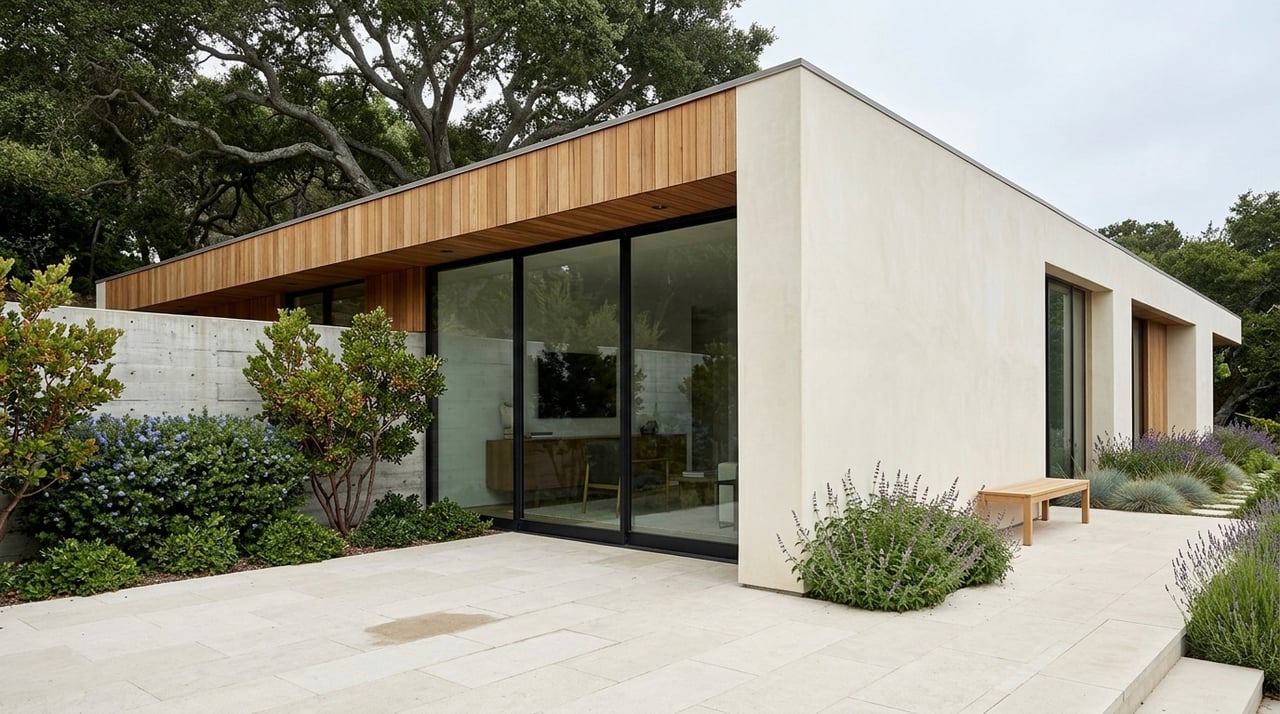
If you are thinking about buying in Malibu, one choice shapes almost everything else: do you want to live on the coast, above it, or behind it? In one market, you can find beachside homes, bluff-top properties with wide water views, and canyon settings that feel more tucked away. Each option offers a different mix of lifestyle, exposure, price, and due diligence, so understanding the tradeoffs can help you buy with more confidence. Let’s dive in.
Malibu Price Range Basics
Malibu is not a one-note market. Because the city stretches between the Pacific Ocean and the Santa Monica Mountains, buyers are often comparing very different settings within the same zip code.
That difference shows up in pricing. Recent market snapshots place Malibu’s overall pricing in a broad range, with Redfin reporting a February 2026 median sale price of $3.684 million and Zillow reporting a typical home value of $3.129 million as of February 28, 2026. Realtor.com reported a higher January 2026 median home sale price, which is a reminder that each platform measures the market differently.
At the neighborhood level, the coastal premium becomes clearer. Zillow showed Paradise Cove with a typical home value of $6.46 million and Point Dume at $5.12 million, while Redfin reported Malibu Canyon at a $1.4 million median sale price in February 2026. In practical terms, direct-coast and bluff-view properties usually sit at the top of Malibu’s pricing ladder, while canyon homes are often the more accessible entry point.
Oceanfront Living in Malibu
For many buyers, oceanfront Malibu is the dream. The draw is simple: immediate beach access, expansive water views, and a daily connection to the coastline that feels uniquely Southern California.
If your priority is the classic Malibu experience, oceanfront living can deliver it in full. You are choosing proximity to the sand, the sound of the surf, and a setting that is oriented around the Pacific from the moment you wake up.
That said, oceanfront living is not just about beauty. It also comes with a more complex ownership profile, especially when you factor in coastal hazards, insurance, and property-specific permitting issues.
What buyers often love
Oceanfront homes tend to appeal to buyers who value:
- Direct beach access
- Broad water views
- Strong coastal identity
- A front-row Malibu lifestyle
These homes can also feel special from a design standpoint. Indoor-outdoor spaces, terraces, and view corridors often become a major part of how the property lives day to day.
What to plan for
Beachfront and bluff-adjacent ownership usually requires more homework. The California Coastal Commission’s sea-level rise guidance notes increasing risks tied to coastal damage, bluff and cliff erosion, flooding, and beach loss.
Malibu’s Local Coastal Program also requires a wave-uprush and impact analysis for beach or bluff-top development and generally limits new shoreline protection for new development. That means an oceanfront purchase is not only a lifestyle decision. It is also a due diligence decision that can affect future changes, renovations, and long-term planning.
Bluff-Top Homes as a Middle Ground
If you want ocean views without living directly on the sand, bluff-top living can offer a compelling middle ground. In many cases, these properties deliver a strong visual connection to the coast while sitting above the immediate beach edge.
This option can be appealing if you want the drama of Malibu views but prefer a bit more physical separation from the shoreline. It may also suit buyers who want both ocean orientation and a broader vantage point.
Still, bluff-top does not mean risk-free. According to Malibu’s Local Coastal Program planning documents, bluff-top properties remain part of the city’s broader coastal hazard framework, particularly where bluff stability, wave action, or future shoreline protection questions are involved.
Canyon Living in Malibu
Canyon living offers a very different version of Malibu. Instead of leading with beach adjacency, it often offers a more retreat-like setting shaped by topography, road access, and the relationship between the home and the landscape.
For some buyers, that is exactly the point. Canyon homes can feel more secluded and more removed from the beach corridor, even though you still have a Malibu address.
They can also be a more attainable way into the market. Based on the research above, canyon properties are often priced below direct-coast options, which can make them attractive for buyers who value privacy and setting over immediate beachfront access.
What buyers often like
Canyon homes often stand out for:
- A more tucked-away feel
- Lower entry pricing relative to the coast
- A stronger sense of retreat
- Topography-driven character and views
Privacy here is not a fixed rule. As the research suggests, lot depth, gates, road exposure, and site layout matter as much as the area name itself.
What to watch carefully
Canyon ownership usually shifts the due diligence focus. Malibu’s planning documents identify low slope stability, landslide potential, rockfall concerns, and the need for geotechnical review for certain new development in hillside areas.
Access is also part of the equation. Los Angeles County has temporarily closed Malibu Canyon Road in the past to protect motorists from rockfall, which underscores how road conditions and route reliability can matter in canyon terrain. In many cases, the tradeoff is less direct coastal exposure but more attention to slope, drainage, brush management, and access.
Weather Differences Matter More Than You Think
One of the most practical differences between oceanfront and canyon living is weather. If you spend time in Malibu, you probably already know that conditions can shift noticeably over short distances.
According to NOAA guidance on the Southern California marine layer, coastal areas are typically cooler during warm afternoons and warmer overnight in the cool season, while low clouds and fog extend inland only as far as terrain allows. Hills and mountains can limit how far that marine influence travels.
In real terms, oceanfront homes are more likely to feel cooler, windier, and foggier. Canyon homes are more likely to feel sunnier and warmer, though a deeper marine layer can still reach inland slopes. If daily comfort matters to you, this is worth experiencing in person at different times of day.
Fire Risk Is a Malibu-Wide Issue
A common mistake is assuming wildfire exposure is only a canyon concern. In Malibu, that is not the case.
The city states that all properties sold within Malibu city limits are in a Very High Fire Hazard Severity Zone. That means the issue is citywide, whether you are buying near the coast, on a bluff, or in a canyon.
Malibu also reports 7 to 8 Red Flag fire events each year between October 1 and December 31. The city further notes that embers can travel more than a mile ahead of a fire front, which means homes far from the visible edge of a fire can still face risk.
What this means for buyers
Before you buy, you should expect to review:
- AB 38 defensible-space documentation requirements
- Property-specific vegetation and maintenance needs
- Roof, vent, and exterior hardening considerations
- Insurance availability and premium structure
- Emergency access and evacuation routes
Malibu also notes that AB 3074 creates a five-foot ember-resistant zone around structures in Fire Hazard Severity Zones, including all of Malibu, with enforcement expected to phase in as state requirements are finalized.
Insurance Can Influence the Decision
Insurance is a major practical consideration in Malibu, especially when wildfire and coastal factors intersect. Availability, scope of coverage, and pricing can all affect your ownership costs.
The California FAIR Plan serves as an insurer of last resort when traditional coverage is unavailable. At the same time, the California Department of Insurance said in July 2025 that its wildfire strategy is intended to require more policies in wildfire-distressed areas and affect more than 1.5 million homeowners.
For buyers, the takeaway is simple: treat insurance as an early-stage part of your search, not something to sort out at the end. Whether you lean oceanfront or canyon, coverage terms may shape which properties make sense.
Coastal Access and Evacuation Planning
Lifestyle and safety often overlap in Malibu because access routes matter. This is especially important for homes that depend heavily on Pacific Coast Highway or other limited corridors.
Malibu’s tsunami information page notes that beaches and low-lying areas are vulnerable, and it warns that Pacific Coast Highway can also be vulnerable because many neighborhoods rely on it as their main route out. The city also notes that emergencies can trigger evacuation orders for fire, earthquake, flooding, or landslide.
This does not mean one setting is always better than another. It means access should be part of your buying framework, especially if the property is in a low-lying coastal area or along a road with limited alternatives.
How to Choose the Right Malibu Setting
The most useful way to compare oceanfront, bluff-top, and canyon properties is to think in terms of priorities. Price matters, but so do exposure, convenience, weather, and your comfort with property-specific due diligence.
If your goal is beach access, broad water views, and a classic coastal lifestyle, oceanfront or bluff-top living may be the right fit. If your goal is a more private, retreat-oriented setting with a lower entry point relative to the coast, canyon living may make more sense.
Here is a simple way to frame the choice:
| Setting | Often Appeals To Buyers Who Prioritize | Main Tradeoffs |
|---|---|---|
| Oceanfront | Beach access, direct water views, coastal lifestyle | Higher pricing, coastal hazards, added permitting and insurance homework |
| Bluff-Top | Ocean views, elevated setting, some separation from the sand | Coastal hazard review, bluff-related due diligence |
| Canyon | Privacy, retreat feel, lower entry pricing relative to the coast | Wildfire readiness, slope and drainage review, road access concerns |
The right answer depends on how you want to live in Malibu, not just what looks best in a listing photo. The strongest purchase decisions usually come from matching the property’s setting to your daily habits, risk tolerance, and long-term plans.
If you are weighing Malibu’s coastline against its canyons, a measured, property-specific approach matters. Michael Fenton offers discreet, design-aware guidance for buyers who want to navigate Malibu with clarity, from lifestyle fit to due diligence strategy. Book a confidential consultation when you are ready to compare the market with a more informed lens.
FAQs
What is the main difference between oceanfront and canyon living in Malibu?
- Oceanfront living usually emphasizes beach access, direct coastal views, and a stronger connection to the shoreline, while canyon living often offers a more secluded setting, warmer weather, and a lower entry price relative to the coast.
Are canyon homes in Malibu less expensive than oceanfront homes?
- In general, research shows canyon homes are often the lower entry point to a Malibu address, while direct-coast and bluff-view properties usually command higher prices.
Is wildfire risk only a concern for canyon properties in Malibu?
- No. The City of Malibu states that all properties sold within city limits are in a Very High Fire Hazard Severity Zone, so wildfire preparedness is a citywide issue.
Do bluff-top homes in Malibu avoid coastal hazard concerns?
- No. Bluff-top properties can offer ocean views without being directly on the sand, but Malibu planning documents still treat them as part of the broader coastal hazard environment.
How does weather differ between coastal and canyon homes in Malibu?
- Coastal homes are generally more likely to feel cooler, foggier, and windier because of the marine layer, while canyon homes are often sunnier and warmer, depending on terrain and conditions.
What due diligence should buyers expect for Malibu homes?
- Buyers should be prepared to review fire-hardening and defensible-space requirements, insurance options, evacuation access, and, depending on the location, coastal, geotechnical, slope, drainage, or bluff-related reports.
Is Pacific Coast Highway access an issue when buying in Malibu?
- It can be. Malibu notes that many neighborhoods rely on Pacific Coast Highway as a main egress route, so traffic, emergency planning, and route dependency should be part of your evaluation.