
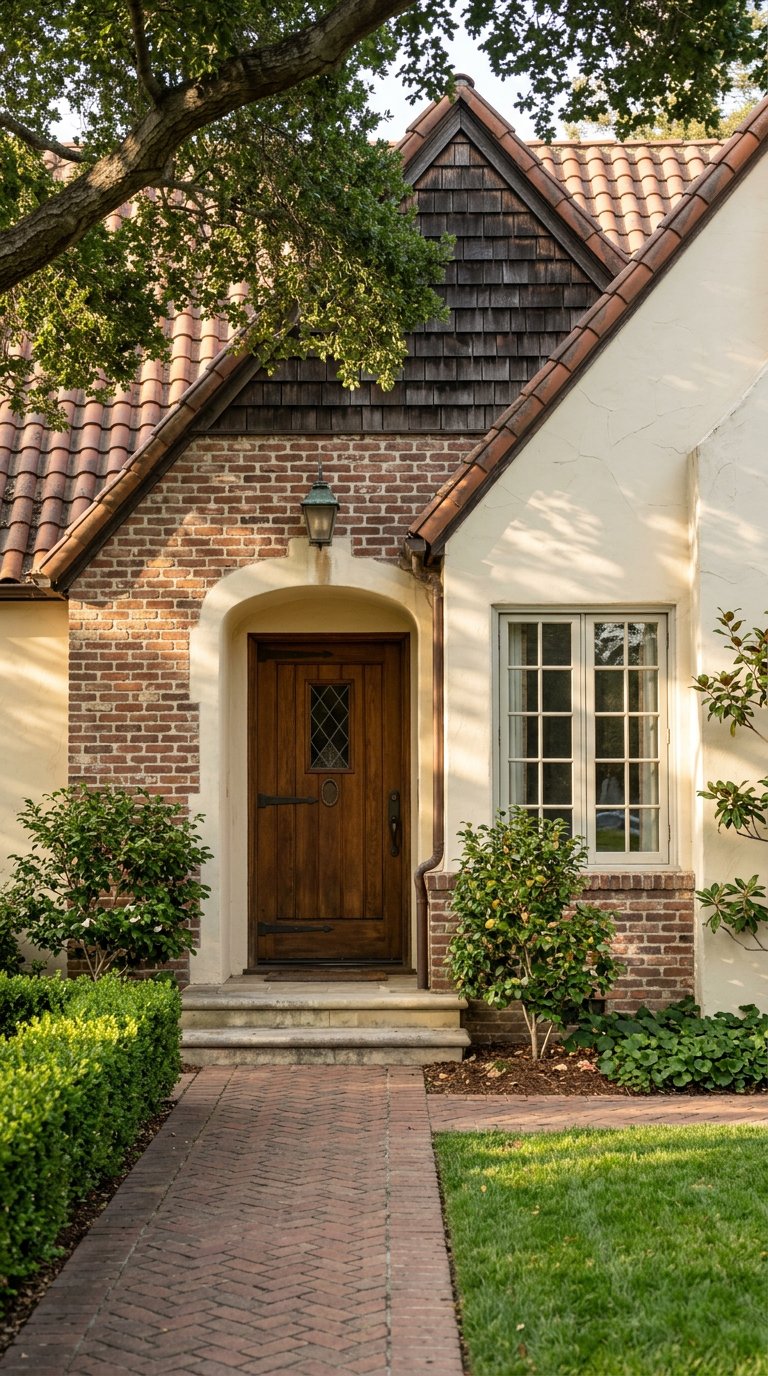
You love Hancock Park for its canopy-lined streets and storied architecture. If you are thinking about buying, selling, or renovating here, the neighborhood’s Historic Preservation Overlay Zone can feel like a maze. You want clarity on what requires approval, how long it takes, and how to keep a deal or project on track. This guide breaks down the essentials so you can move forward with confidence. Let’s dive in.
Hancock Park HPOZ basics
Hancock Park is one of Los Angeles’s designated local historic districts. An HPOZ adds a layer of design review that protects neighborhood character. Most exterior changes need HPOZ review, in addition to any building permits from the City.
According to the adopted Preservation Plan, the district covers roughly 1,200 parcels with a high concentration of “Contributing” properties. That status matters because Contributing homes face stricter review than Non‑Contributing ones. You can confirm a property’s status in the City’s Zoning Information and Map Access system, also called ZIMAS, or with the HPOZ planner. For context and official guidelines, read the Hancock Park Preservation Plan and the City’s overview of Local Historic Districts.
What work needs HPOZ approval
The City defines a “project” broadly. Construction, additions, alterations, demolition, relocation, or any work that changes the exterior of a building, accessory structure, site feature, or landscaping within the HPOZ can trigger review. You can see the full language in LAMC §12.20.3.
Hancock Park’s plan also lists common exemptions. Interior-only work, paint color, many rear-yard landscaping items, and minor repairs that do not change street‑visible façades are often exempt or handled as simple approvals. Always check the district’s plan, since the exact thresholds and visibility rules matter. The Preservation Plan is your primary guide.
Street‑visible elements usually get the closest look. Expect review for façades and roofs, porches and entries, windows and doors, front-yard fences and hardscape, and any accessory structures visible from the public way.
Four review paths
Hancock Park uses the City’s standard HPOZ review categories. Which one you follow depends on whether your property is Contributing or Non‑Contributing and on the scope and visibility of your proposal.
- Conforming Work on Contributing Elements, also called CWC
- Conforming Work on Non‑Contributing Elements, also called CWNC
- Certificate of Appropriateness, also called COA, for substantial work on Contributing properties that goes beyond Conforming Work
- Certificate of Compatibility, also called CCMP, for new construction, demolition, or replacement on Non‑Contributing lots
Your HPOZ planner will tell you which path applies. The Preservation Plan outlines typical examples for each.
Key thresholds to know
Hancock Park uses a 30 percent floor‑area threshold in several places. Additions that increase floor area by less than 30 percent and do not affect street‑visible façades may qualify as Conforming Work or an exemption. Alterations or demolitions that affect 30 percent or more of a Contributing building typically require a COA. The City also tracks cumulative additions, so you cannot split a large project into small parts to avoid review. See the Preservation Plan for exact language.
How the HPOZ process works
Start with a call or email to the Hancock Park HPOZ planner in the Office of Historic Resources. They will confirm your property’s status, the likely review path, and which guidelines apply. The planner will also confirm what to submit so your application is complete.
Conforming Work is designed to be fast. Once the City deems your application complete, action is generally expected within about 21 days. Certificate applications, COA or CCMP, take longer since they require public notice and a hearing. The Board’s recommendation period is typically up to 30 days, and the Director’s determination on a Certificate is targeted within 75 days after a complete filing. Overall, plan on weeks for simple items and a few months for larger cases. These are approximate windows. Confirm the current fee and schedule with the City of Los Angeles Office of Historic Resources and LADBS before starting a project. You can also review the City’s Historic District Project Review overview for how HPOZ review fits into Planning and permitting.
After HPOZ sign‑off, you will go to LADBS for plan check and permits. That step is separate from HPOZ review and is required for most construction.
What to include in your submittal
The Hancock Park Plan lists a practical checklist that helps staff and the Board understand your proposal. Bring or upload:
- Labeled photos of your property and the streetscape
- Existing and proposed site plans and elevations
- Material samples and product cut sheets for windows, doors, and roofing
- Landscaping plans for visible work
- A short narrative that explains how your design meets the Plan’s guidelines
You will find the checklist items in the Hancock Park Preservation Plan.
Buying or selling in Hancock Park
Confirm status and scope early
If you are buying, confirm right away whether the home is listed as Contributing or Non‑Contributing. Check ZIMAS and ask the HPOZ planner to verify. Your ability to make major exterior changes depends on this status, especially on Contributing homes where a COA is often required for significant alterations or demolition.
Check permits and inspections
Before you close, review LADBS records for the property. Use the City’s online tools to look up the Parcel Profile Report, permits, and inspections. You want to confirm that prior exterior work was permitted, approved by HPOZ where required, and finalized. If not, you may face retroactive approvals, corrective work, or inspection fees. Start with the LADBS Permit and Building Records portal.
Make complete disclosures
If you are selling, California law requires that you provide a Transfer Disclosure Statement and disclose known material facts. HPOZ status, known restrictions, and any open enforcement items are material facts that should be addressed in your disclosures. For exact wording and strategy, consult your real estate attorney or your listing agent. You can reference the statutory framework by reviewing the California Association of Realtors’ Transfer Disclosure materials.
How HPOZ can affect value
City materials and academic studies often find that historic district protections help stabilize and can increase property values, although results vary by market and designation type. In some cases, Mills Act contracts may offer property tax incentives when owners commit to preservation work. If you want to study the program’s impact in Los Angeles, review the City’s Mills Act program assessment and speak with a local appraiser.
Practical design and permitting tips
- Engage the HPOZ planner early. A short pre‑application call can prevent redesigns and delays, and can point you to the right guideline pages.
- Keep additions at the rear where possible. Make them visually subordinate so the original massing and primary rooflines remain legible from the street.
- Repair first, replace second. When you must replace, match materials, profiles, and textures. Avoid covering original materials with incompatible finishes.
- Plan ADUs with context in mind. State law supports ADUs, but in an HPOZ their placement, visible massing, and exterior design must be compatible. Coordinate early with both the HPOZ planner and LADBS, and review the City’s Historic District Project Review page for process context.
- Expect a high bar for demolition of Contributing homes. A COA for demolition will be denied unless you can show there is no economically viable use of the property, which is a demanding standard.
- Budget time and soft costs. Matching historic details, sourcing materials, and attending hearings add time and design fees. Confirm current City fees before you file.
Buyer checklist
- Verify if the property is Contributing or Non‑Contributing in ZIMAS
- Review LADBS permit history, inspections, and any code cases
- Ask for copies of past HPOZ approvals and Certificates
- Discuss your remodel goals with the HPOZ planner before removing contingencies
- Price timelines and soft costs into your offer strategy
Seller checklist
- Pull LADBS records and close out any open or expired permits
- Fix unpermitted exterior work or be prepared to disclose and negotiate
- Gather HPOZ approvals, Certificates, and plans to share with buyers
- Disclose HPOZ status and known restrictions clearly in your listing file
- Position HPOZ as a stewardship and quality signal, without promising that changes are pre‑approved
Final thoughts
Hancock Park rewards thoughtful stewardship. When you understand the HPOZ rules, you can buy and sell with fewer surprises, and you can plan improvements that honor the neighborhood while meeting your needs. If you want a strategic partner who knows the process, understands architecture, and can protect your timeline and privacy, connect with Michael Fenton. Book a confidential consultation.
FAQs
What is the Hancock Park HPOZ and why it matters
- The HPOZ is a local historic district that adds design review to preserve neighborhood character, so most exterior changes require HPOZ approval in addition to building permits, as outlined in the City’s Local Historic Districts program.
Which exterior changes need approval in Hancock Park
- Construction, additions, alterations, demolition, relocation, and other exterior work can trigger review under LAMC §12.20.3, while interior-only work and paint color are commonly exempt under the Preservation Plan.
How long HPOZ approval usually takes in Hancock Park
- Conforming Work often moves in weeks, while Certificates of Appropriateness or Compatibility can take a few months with public notice and hearings; timelines vary, so confirm current targets with the Office of Historic Resources and see the City’s Historic District Project Review.
How to check past permits on a Hancock Park home
- Search LADBS for the Parcel Profile Report, permits, and inspections to verify that prior exterior work was permitted and finalized using the Permit and Building Records portal.
Can you build an ADU at a Hancock Park property
- Yes, state law supports ADUs, but design, visibility, and placement must be compatible with the district, so coordinate early with the HPOZ planner and LADBS and review the City’s Historic District Project Review guidance.
What if a seller did exterior work without HPOZ approval
- The City can investigate, require retroactive approvals or corrective work, and levy fees, so buyers should check LADBS records and request copies of permits and HPOZ approvals, as reinforced in the Preservation Plan.