
What if your neighborhood could give you hillside architecture, trail access, and a walkable village feel in the same day? That mix is a big part of why Los Feliz continues to stand out in Los Angeles. If you are wondering what it is really like to live here, this guide will walk you through the homes, the outdoor rhythm, and the local commercial core so you can get a clearer picture of daily life. Let’s dive in.
Why Los Feliz Stands Out
Los Feliz sits within the Hollywood Community Plan area, and its identity is closely tied to the meeting point of Griffith Park, Barnsdall Art Park, and a long-established village commercial core. The neighborhood story is not built around just one feature. It is the combination of architecture, immediate access to open space, and an active local business district that gives Los Feliz its distinct feel.
The Los Feliz Village BID describes the commercial core as sitting at the foot of Griffith Park and between Griffith Park and Barnsdall Art Park. It also notes that the district includes more than 300 merchants along Hillhurst, Vermont, Hollywood Boulevard, Los Feliz Boulevard, Sunset Drive, and nearby streets. For you as a resident, that means village life here is not a slogan. It is part of the neighborhood’s physical layout and daily routine.
Los Feliz Homes and Architecture
Los Feliz is one of those Los Angeles neighborhoods where architecture is part of the lifestyle. Instead of a single housing type, you will find a broad mix that includes single-family homes, apartment houses, duplexes, triplexes, and fourplexes. That range gives the neighborhood visual variety and supports different ways of living in the area.
Hillside homes with historic character
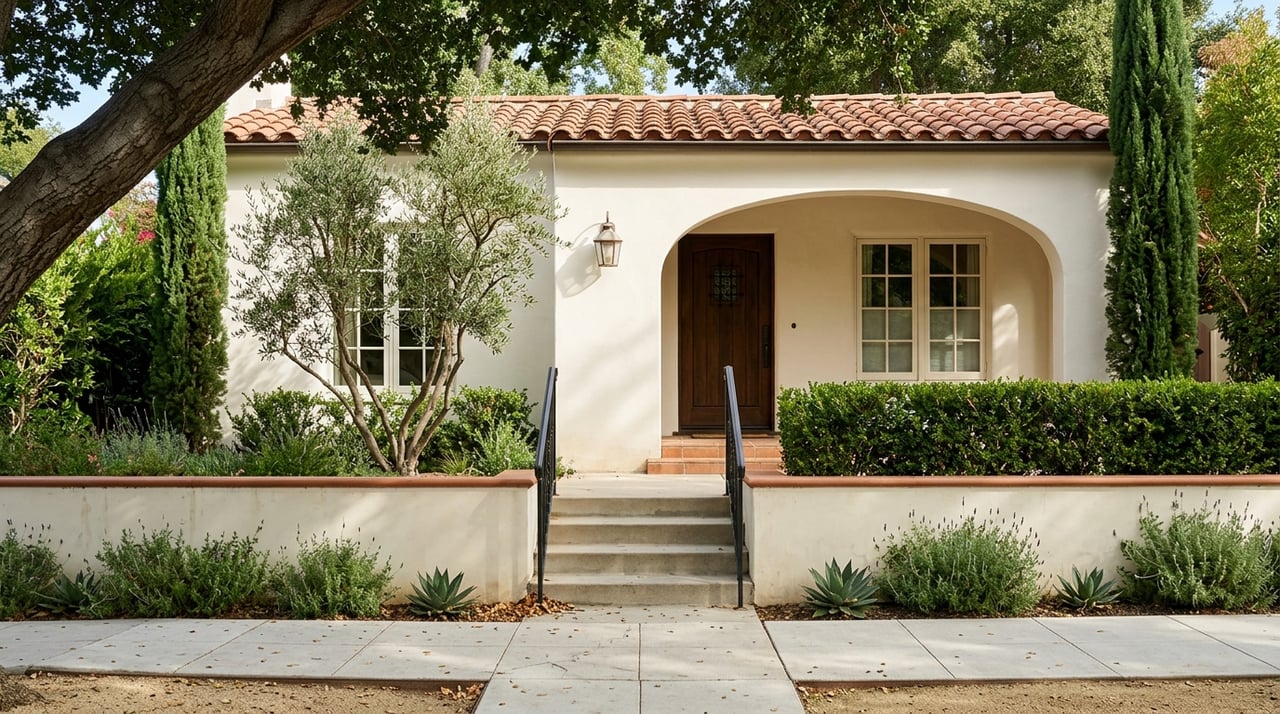
One of the clearest reference points for single-family housing is the Los Feliz Heights Residential Historic District. City Planning describes it as roughly 317 one- and two-story residences on the south-facing slope of Mt. Hollywood, with many homes in Period Revival styles. Curving streets, public stairways, mature vegetation, and occasional city views all shape the feel of this hillside section.
If you are drawn to homes with presence and provenance, this part of Los Feliz helps explain the neighborhood’s appeal. The built environment feels layered rather than uniform. Streets, stairs, and landscape work together to create a setting that is as important as the houses themselves.
Multi-family options are part of the fabric
Los Feliz is not only a single-family neighborhood. The Los Feliz Square Multi-Family Residential Historic District includes apartment houses, duplexes, triplexes, and fourplexes, with architecture ranging from Mediterranean Revival and Spanish Colonial Revival to Streamline Moderne, Minimal Traditional, and Mid-Century Modern.
That matters if you are exploring the neighborhood from different entry points, whether you want an apartment, an income property, or simply a block with a more mixed residential pattern. It also reinforces something important about Los Feliz. Historic character here shows up across housing types, not just in larger hillside residences.
Architecture is part of the neighborhood narrative
Los Feliz has a dense inventory of historic resources, including locally designated monuments such as the Lovell Health House, Ennis House, Sowden House, Casa Laguna, Monterey Apartments, Griffith Observatory, and the Los Feliz Heights Steps. Even if you are not an architecture expert, you can feel that design history is woven into the neighborhood.
For design-minded buyers, that can be a major draw. Los Feliz offers more than curb appeal. It offers context, visual continuity, and a strong sense that architecture helps define the identity of the area.
Griffith Park and Daily Outdoor Life
In many neighborhoods, access to nature is a nice extra. In Los Feliz, it is central to the experience. Griffith Park is immediately tied to the neighborhood and shapes how many people think about mornings, weekends, and everyday downtime.
The National Park Service describes Griffith Park as more than 4,000 acres and calls it the largest municipal park with urban wilderness in the United States. The park includes Griffith Observatory, the Los Angeles Zoo, railroad attractions, and routes for easy hiking, strenuous hiking, biking, horseback riding, wildflower viewing, and wildlife viewing. That is a wide range of outdoor access within close reach of Los Feliz.
What that means for everyday rhythm
If you live in Los Feliz, outdoor time can feel built into the day rather than saved for a special trip. A quick walk, a trail outing, or a visit up toward the observatory can become part of your normal routine. That connection to open space is one of the neighborhood’s strongest lifestyle advantages.
LA County’s park listing notes that Griffith Park is open daily from 6 a.m. to 10 p.m. It also states that bridle trails, hiking paths, and mountain roads close at sunset. For residents, that creates a natural rhythm to the day, especially if you like early hikes, evening walks, or planning around trail access.
Village Life in Los Feliz
Los Feliz has a commercial core that feels established, local, and active. The Los Feliz Village BID describes the district as having a fiercely independent and creative spirit, with businesses that range from long-running restaurants and services to designers, retro clothing, vintage, and collectibles shops.
For you, that can translate into a neighborhood where errands, coffee stops, dining, and browsing can happen close to home. It also helps give Los Feliz a village identity that feels more layered than a single retail strip. The experience is shaped by multiple streets and a business mix that reflects long-term local character.
A commercial district with continuity
The local Business Committee says it works with the BID to maintain sidewalks, public parking areas, and signage while preserving the neighborhood’s character, scale, aesthetics, and historical elements. That may sound like behind-the-scenes detail, but it matters on the ground. It supports the kind of continuity that many buyers and residents notice when they are deciding whether a neighborhood feels cohesive.
This is also one reason Los Feliz often appeals to people who want more than a house. They want a setting with an established identity and a street experience that feels connected to the neighborhood’s history.
Evenings have energy without losing character
Local restaurant profiles highlighted by Discover Los Angeles suggest an active evening dining scene, including venues with bars, happy hour, outdoor dining, and later hours. It is best to think of this as a pattern visible through example businesses rather than a formal nightlife label.
In practical terms, that means evenings in Los Feliz can feel lively while still fitting the neighborhood’s village atmosphere. You can find places to meet friends, grab dinner, or enjoy a more casual night out without losing the sense of place that defines the area.
Can You Live Car-Light in Los Feliz?
For many Los Angeles buyers and renters, this is a real question. Los Feliz does offer transit connections that can support a more car-light lifestyle, depending on your routine.
Metro says Griffith Observatory can be reached by taking the B Line to Vermont/Sunset Station and transferring to the DASH Observatory shuttle. Metro also identifies B Line and local bus service at Vermont/Sunset, and it publishes a bike-share ride through Silver Lake and Los Feliz that begins at the station.
What to expect from mobility
That does not mean every errand or destination will be simple without a car. But it does mean Los Feliz offers transit and bike-connected options that are more meaningful than many people expect. If you value a mix of walking, transit access, and neighborhood-serving retail, Los Feliz has a practical case for a lighter-car routine.
Who Los Feliz Often Appeals To
Los Feliz tends to attract people who care about setting as much as square footage. Some are drawn to Period Revival homes and architecturally notable streets. Others are focused on being close to Griffith Park, or on living near a commercial core with long-running local businesses and a recognizable village feel.
It can also appeal to buyers who want a neighborhood with multiple housing formats. The presence of both single-family historic districts and notable multi-family districts gives Los Feliz a broader residential mix than some architecture-driven neighborhoods. That flexibility is part of its staying power.
What to Notice When Touring Los Feliz
If you are exploring the neighborhood in person, pay attention to more than finishes and floor plans. In Los Feliz, the surrounding setting matters.
Here are a few things worth noticing:
- Street pattern, especially curving hillside roads and stair connections
- Relationship to Griffith Park and how easily you can access outdoor space
- The mix of single-family and multi-family buildings on nearby blocks
- The feel of the village commercial core at different times of day
- Architectural consistency, historic detail, and landscape maturity
- Access to Vermont/Sunset and other mobility options if transit matters to you
These details can help you decide not just whether you like a home, but whether the larger neighborhood fits how you want to live.
Why Los Feliz Holds Long-Term Appeal
Los Feliz has a strong identity because several desirable traits overlap in one place. It offers immediate access to one of Los Angeles’ defining park landscapes, a commercial district with established local character, and a housing stock that includes both historic single-family homes and architecturally significant multi-family properties.
That combination is hard to replicate. For buyers who care about design, neighborhood texture, and everyday livability, Los Feliz presents a compelling case. It feels both rooted and active, which is a big part of why it remains one of LA’s most recognizable residential environments.
If you are considering a move in Los Feliz, it helps to work with someone who understands how architecture, setting, and block-by-block character shape value. For tailored guidance on buying or selling in Los Angeles, book a confidential consultation with Michael Fenton.
FAQs
What types of homes are common in Los Feliz?
- Los Feliz includes hillside single-family homes, especially Period Revival styles, along with apartment houses, duplexes, triplexes, and fourplexes in several historic residential areas.
How much historic character does Los Feliz have?
- Los Feliz has substantial historic character, with multiple historic districts and many locally designated landmarks, including notable homes, apartment buildings, observatory-related resources, and public steps.
How close is Griffith Park to Los Feliz daily life?
- Griffith Park is central to the neighborhood story and daily rhythm, offering access to hiking, biking, horseback riding, wildlife viewing, and Griffith Observatory close to the residential core.
Can you use transit in Los Feliz?
- Los Feliz has access to Metro’s B Line at Vermont/Sunset, local bus service, and connections such as the DASH Observatory shuttle, which can support a car-light routine depending on your needs.
What is Los Feliz Village like for shopping and dining?
- The Los Feliz Village area includes more than 300 merchants across several streets, with a mix of long-running restaurants, services, designers, vintage shops, and other independent businesses.
What makes Los Feliz different from other LA neighborhoods?
- Los Feliz stands out for its combination of architecture, village retail, and immediate access to urban wilderness, all within a neighborhood with a strong historic identity.