
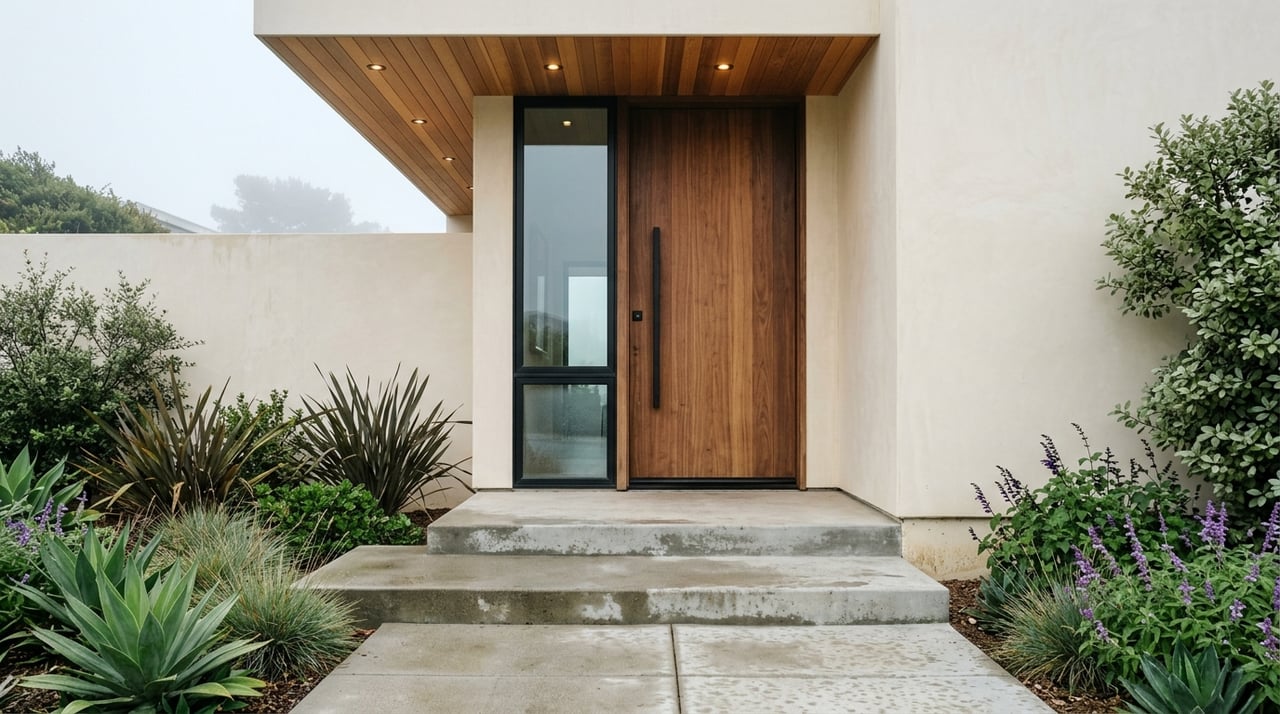
Dreaming about a place where the ocean, mountains, and open sky can reset your whole week? Owning a Malibu retreat can absolutely deliver that feeling, but it also comes with a very specific kind of ownership experience. If you are considering a weekend house, seasonal residence, or long-term coastal getaway in Malibu, it helps to understand not just the lifestyle, but the logistics that come with it. Let’s dive in.
Why Malibu Feels Different
Malibu is not a typical beach-town market. The city is shaped by a narrow coastal strip along the southern slope of the Santa Monica Mountains, and more than 80% of its area is hillside. Because steep terrain, fire hazards, and environmental constraints limit development, only a small portion of land is easily buildable.
That physical setting has a direct impact on what you will find as a buyer. Malibu’s residential framework is centered on rural residential, single-family, and beachfront housing, and most development consists of single-family homes and accessory structures. If you are picturing a retreat here, you are usually looking at a standalone home rather than a dense inventory of newer apartment-style options.
Malibu Housing Stock at a Glance
Single-family detached homes make up the largest share of Malibu’s housing stock. SCAG reports that they accounted for 69.9% of units in 2018, while attached homes, multifamily properties, and mobile homes made up smaller portions of the market.
Malibu also has a strong ownership profile. Census QuickFacts reports a 75.4% owner-occupied housing unit rate and a median owner-occupied home value of more than $2,000,000. For many buyers, that reinforces what the market already suggests: Malibu is a high-value ownership market centered on long-term holding power and lifestyle-driven purchases.
What a Malibu Retreat Lifestyle Looks Like
The appeal is easy to understand. Malibu offers 21 miles of coastline, with beaches, surf access, and mountain trails all part of daily life. The city also highlights outdoor activities like hiking, biking, horseback riding, camping, fishing, picnicking, nature study, surfing, diving, and swimming.
For a weekend or seasonal owner, this means your retreat can feel active or quiet depending on how you use it. Some owners want a beach-centered routine with easy access to shoreline recreation. Others are drawn to the canyons, hillsides, and broader sense of separation from central Los Angeles.
Plan for Seasonal Crowds and Traffic
The lifestyle upside comes with a practical tradeoff. Malibu’s beaches draw millions of visitors each year, and the city treats summer as a particularly busy season. Memorial Day weekend marks the start of that period, and the city funds additional public safety support through Labor Day to help address traffic, access, and safety issues.
If you are buying a retreat, access planning should be part of your decision from the start. A home that feels peaceful on a weekday in February may move very differently on a summer weekend. Travel times, parking patterns, and congestion along Pacific Coast Highway are not side issues in Malibu. They are part of normal ownership.
Access Matters More Than Many Buyers Expect
In Malibu, location is not only about views or proximity to the beach. It is also about how you get in and out. The city’s safety planning identifies evacuation-route constraints, single-ingress and egress locations, and roadways that may require earlier evacuation notices during emergencies.
That means canyon-road access and Pacific Coast Highway patterns deserve close attention. If you are comparing properties, it is worth thinking beyond aesthetics and asking how access works on an ordinary weekend, during heavy summer traffic, and during an emergency event.
Malibu Weather Is Mild, but the Coast Is Dynamic
Malibu’s coastal climate is one of its biggest attractions. NOAA climate normals for nearby Santa Monica Pier show an annual mean temperature of 60.5°F, with winter monthly averages in the mid-50s and late-summer averages in the mid-60s. Annual precipitation averages 12.17 inches, with most rain falling from late fall through winter.
That sounds comfortable, and it often is. But the physical reality of the coast matters as much as the temperature. Malibu includes bluffs, canyon mouths, and many narrow beach areas, so weather-related ownership issues can show up in ways that are more complex than a sunny forecast suggests.
Coastal Conditions Can Affect Property Choices
Malibu’s shoreline runs about 22.6 miles, and many beaches are narrow or located at stream mouths and bluff alcoves. Much of the coastline is also developed with residential and commercial properties extending up bluff areas. Zuma is the widest beach stretch, while other parts of the coastline are more constrained.
For buyers, that means one coastal location may function very differently from another. Long-term beach and bluff erosion, tidal inundation, storm flooding, storm waves, and sea-level-rise exposure are all part of the local coastal conversation, especially in lower-lying areas such as Malibu Lagoon. A retreat near the water can be compelling, but it should also be evaluated through a practical lens.
Wildfire Readiness Is a Core Ownership Issue
Wildfire planning is not optional in Malibu. City code places Malibu in the Very High Fire Hazard Severity Zone, and the city notes a history of major brush fires. The city’s safety planning emphasizes resilient rebuilding, Wildland Urban Interface standards, defensible space, and earlier evacuation planning in areas with limited access.
For you as a buyer, this means wildfire readiness should be part of the property review process. Home siting, vegetation management, building materials, and access routes can all shape how manageable the property feels over time. In Malibu, fire preparedness is part of day-to-day stewardship.
Insurance Takes Extra Planning
Insurance is another major consideration for a Malibu retreat. The California Department of Insurance says its Safer from Wildfires framework can qualify homeowners for insurance discounts. It also notes that the California FAIR Plan is a last-resort option with limited fire and smoke coverage and may need supplemental policies for other risks.
In practical terms, you will want to evaluate insurance early, not late. For a seasonal or second-home purchase, understanding coverage structure, mitigation steps, and total carrying costs can be just as important as understanding the purchase price.
Older Homes Often Mean Ongoing Upkeep
A Malibu retreat can be beautiful and highly rewarding, but it is rarely a set-it-and-forget-it property. SCAG reports that 39.6% of Malibu housing units were built before 1970. Older homes can be well maintained and thoughtfully updated, but age often means systems, drainage, roofing, decks, exterior materials, and landscape management deserve regular attention.
That is especially true in a coastal and hillside environment. Salt air, storms, slopes, and changing conditions can all add wear over time. If you are shopping for a retreat, it helps to view maintenance not as a surprise expense, but as part of responsible ownership.
Infrastructure Is More Hands-On
Malibu ownership also comes with infrastructure differences that buyers from other parts of Los Angeles may not expect. The city has no municipal sewer service, and nearly all properties rely on individual onsite wastewater treatment systems. Only a few small package plants serve specific complexes.
Road conditions and utilities matter too. City code notes that roads are vulnerable to winter storms and can be expensive to keep open, while the city’s coastal assessment says older or corroded underground utility conduits may need replacement in coastal roads and low-lying areas. For retreat buyers, this reinforces the importance of understanding a property’s systems and surrounding infrastructure before you close.
How To Think About the Right Malibu Retreat
Not every Malibu property serves the same retreat lifestyle. Some buyers want direct beach access and are comfortable with the higher exposure and activity that can come with it. Others prefer a more elevated or inland setting that offers privacy, mountain context, or a different relationship to access and maintenance.
A smart search usually comes down to a few core questions:
- How often will you actually use the home?
- Do you want a beach-first or privacy-first setting?
- How important is quick access from Los Angeles?
- Are you comfortable with older-home maintenance?
- Have you budgeted for insurance and property upkeep?
- How do road access and evacuation considerations affect your comfort level?
These questions can help narrow the field quickly. In Malibu, the best retreat is not always the one with the most dramatic first impression. It is often the one that fits your rhythm, risk tolerance, and long-term ownership goals.
Why Local Guidance Matters in Malibu
Malibu asks buyers to balance beauty with planning. You are not only evaluating architecture, views, and setting. You are also weighing access patterns, hazard context, infrastructure realities, and the day-to-day demands of a coastal estate property.
That is where nuanced local guidance becomes especially valuable. A well-chosen retreat should support the way you want to live, while also matching the level of stewardship you are prepared to take on.
If you are considering a Malibu retreat and want discreet, informed guidance on coastal estates, design-driven homes, and ownership strategy, Michael Fenton can help you navigate the search with clarity and care.
FAQs
What kind of homes are most common in Malibu?
- Malibu is primarily a single-family home market, with single-family detached homes making up 69.9% of housing units according to SCAG.
What should buyers know about Malibu traffic for a second home?
- Malibu experiences heavy seasonal activity, especially from Memorial Day through Labor Day, so traffic and access along Pacific Coast Highway should be treated as a normal part of ownership planning.
What natural hazards affect Malibu retreat properties?
- Malibu buyers should be aware of wildfire risk, beach and bluff erosion, tidal inundation, storm flooding, storm waves, and debris-flow concerns in some canyon and coastal areas.
What infrastructure issues should Malibu homebuyers understand?
- Nearly all Malibu properties rely on individual onsite wastewater treatment systems because the city does not have municipal sewer service, and some roads and utility systems can be vulnerable to storms and coastal wear.
Are many Malibu homes older?
- Yes. SCAG reports that 39.6% of Malibu housing units were built before 1970, which can mean more ongoing maintenance and system review for owners.
Why is insurance such an important topic for Malibu buyers?
- Because Malibu is in the Very High Fire Hazard Severity Zone, insurance availability, wildfire mitigation, and total coverage structure can play a major role in the overall cost and practicality of ownership.