
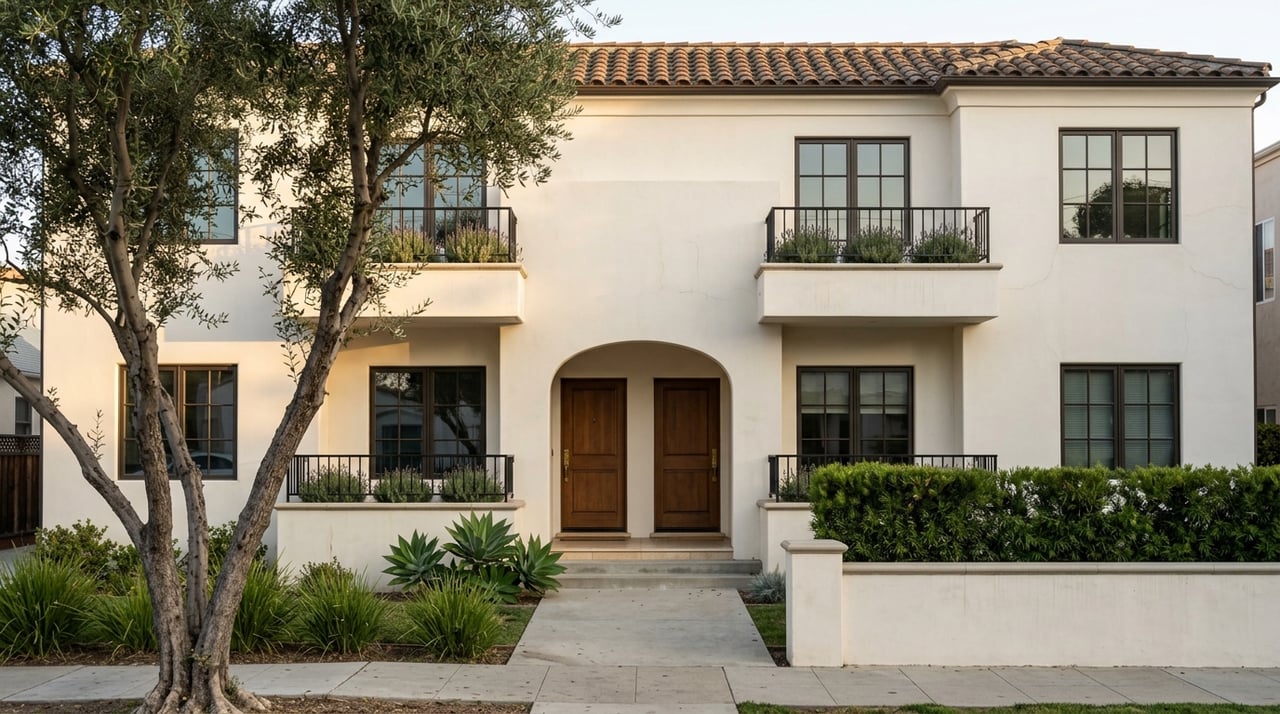
If you have been watching Echo Park for a duplex, triplex, or small apartment building, you already know the opportunity is real, but so is the complexity. A property that looks promising on paper can shift quickly once you factor in zoning, overlays, rent rules, and the true condition of the rent roll. This guide will help you think more clearly about small multi-family opportunities in Echo Park and nearby submarkets so you can evaluate deals with more confidence. Let’s dive in.
Why Echo Park draws attention
Echo Park sits in a part of Los Angeles where older housing stock, mixed residential patterns, and strong location appeal often create interest in smaller income properties. According to the City of Los Angeles, Echo Park is part of the Silver Lake-Echo Park-Elysian Valley Community Plan area, a long-established urban fabric with many homes dating to the 1920s and 1930s and a mix of single-family and multiple-family structures in parts of the plan area. That physical mix is part of what makes the neighborhood worth a closer look.
For buyers focused on small multi-family assets, this usually means you are not just buying a building. You are also buying into a parcel-specific set of rules, constraints, and possibilities. In Echo Park, broad neighborhood appeal matters, but parcel-level details matter more.
Echo Park pricing in context
Current neighborhood figures show why Echo Park often lands in the middle of the conversation for Los Angeles small multi-family buyers. On Realtor.com’s Echo Park market page, the median listing price is $1.369M and median rent is $3,195, with data through February 2026.
That becomes more useful when you compare Echo Park with nearby alternatives. Silver Lake posts a $1.547M median listing price and $4,175 median rent, while Northeast LA shows a $1.10M median listing price and $3,400 median rent. In simple terms, Silver Lake is currently both pricier and stronger on rent, while Northeast LA offers a lower basis but should be treated as a broader benchmark rather than a one-to-one comp set.
Comparing nearby submarkets
Small multi-family buyers often widen the search beyond one neighborhood, especially when inventory is tight. Here is a quick comparison based on the current figures cited in the research.
| Area | Median Listing Price | Median Rent | Market Note |
|---|---|---|---|
| Echo Park | $1.369M | $3,195 | Middle ground on price and rent |
| Silver Lake | $1.547M | $4,175 | Higher pricing and higher rents |
| Northeast LA | $1.10M | $3,400 | Lower basis, broader submarket |
This comparison is useful, but it should not replace property-level underwriting. The same research notes that Silver Lake moves faster on the sales side, with a 31-day median days on market versus 47 days in Echo Park. That is a reminder that location branding alone does not tell the full story.
Rent trends are not uniform
One of the biggest mistakes in underwriting small multi-family property is assuming every nearby neighborhood is moving the same way. The current data suggests the opposite. Echo Park rents are down 3.68% year over year, Silver Lake rents are up 2.15%, and Northeast LA rents are up 15.72% on those same current market pages.
That does not mean one neighborhood is automatically better than another. It means your assumptions should stay disciplined. Unit condition, legal unit count, rent roll quality, and exact location within the neighborhood can have more impact than the headline name on the listing.
County conditions still support occupancy
At the county level, the backdrop remains fairly supportive for occupancy, but less supportive for overly aggressive rent-growth projections. The USC Lusk Casden Forecast reports Los Angeles County vacancy at 5.37% in October 2025, average rent at $2,336, and projected annual rent growth of only about 0.64% through October 2027.
For you, that means a small building in the right location may still benefit from tight housing supply and steady tenant demand. But if your numbers only work with fast rent growth, the deal may deserve a second look. Today’s market supports caution more than optimism when it comes to near-term rent expansion.
Why the neighborhood fabric matters
The City’s Community Plan is especially helpful in understanding why Echo Park can feel block-by-block rather than uniform. The plan area includes places where residential and industrial uses coexist, along with a mix of hillside and flatland conditions. It also directs higher residential densities toward commercial centers, major bus routes, and mixed-use boulevards such as Temple Street, Sunset Boulevard, Fountain Avenue, Hyperion Avenue, and Glendale Boulevard, as outlined in the Silver Lake-Echo Park-Elysian Valley Community Plan.
In practical terms, that tends to make Echo Park a market where selective improvement often deserves more attention than dramatic redevelopment assumptions. Older duplexes, triplexes, and small apartment properties may offer opportunities through interior updates, permit cleanup, or modest additions, but those paths depend on the actual parcel and the applicable rules.
Start every deal with ZIMAS
Before you get attached to a value-add story, verify the property in ZIMAS. The City says ZIMAS can show land-use and zoning designations, planning applications, permit history, and whether a parcel is affected by an HPOZ, Specific Plan, or Community Design Overlay.
This is especially important in Echo Park. The area includes the Echo Park Community Design Overlay, and nearby Angelino Heights is a designated HPOZ. If your plan includes exterior changes, additions, façade upgrades, or parking changes, you want clarity early, not after you are under contract.
Overlays can change the timeline
Design overlays and preservation review can materially affect how a project moves. The City notes that the Echo Park Community Design Overlay has design standards and guidelines, while HPOZ review can apply to exterior alterations, additions, and infill work on historic properties.
For buyers pursuing value-add opportunities, this matters because timing is part of the investment equation. A project that requires exterior work may still be viable, but your schedule, soft costs, and execution risk should reflect the actual approval path. In other words, a clean pro forma starts with regulatory reality.
Rent regulation can reshape returns
For many small multi-family properties in Los Angeles, rent regulation is the single biggest underwriting issue. The Los Angeles Housing Department RSO overview says the ordinance generally covers rental properties first built on or before October 1, 1978, including duplexes, two or more single-family dwelling units on one parcel, attached residential units in commercial buildings, ADUs, and JADUs.
As of April 2026, LAHD shows the allowable annual RSO increase at 3% for the period from July 1, 2025 through June 30, 2026. LAHD also states that landlords can no longer add an extra utility percentage increase as of February 2, 2026. Even for non-RSO properties, the city’s just-cause rules still matter.
Capex does not always equal immediate rent growth
This is where many buyers get tripped up. LAHD lists programs related to capital improvement, primary renovation, seismic retrofit, rehabilitation, and just-and-reasonable rent increases, but these require approval. That means you should not assume every dollar spent on improvements can flow directly into the rent roll on a normal 12-month schedule.
If you are evaluating a building that needs meaningful work, your underwriting should reflect both the approval process and the time it may take to realize any income benefit. In a market with modest projected rent growth, patience and precision matter.
Practical value-add paths to study
Echo Park is still worth studying closely because not every opportunity depends on simple rent increases. The City’s Missing Middle LA initiative points to smaller neighborhood-scale housing options and builds on state laws that allow duplexes, small-lot townhomes, and for-sale ADUs in residential zones. The City also notes that the Small Lot Ordinance can allow free-standing single-family homes and attached townhouses in multi-family and commercial areas, and that TOC incentives may apply within a half-mile of a major transit stop.
That does not mean every Echo Park parcel qualifies for every strategy. It does mean the strongest buyers ask a better set of questions. Can the property be improved? Can it be expanded? Can it be repositioned under current rules? The answer is always site-specific.
A smart Echo Park checklist
Before moving forward on a duplex, triplex, or small apartment property, make sure you have covered the basics:
- Verify legal unit count, permit history, and overlay status in ZIMAS.
- Confirm whether the property is RSO-covered and properly registered.
- Underwrite the in-place rent roll against the right rent and pricing benchmarks, not just a broad Eastside label.
- Check whether an HPOZ or CDO affects exterior work, additions, parking changes, or façade updates.
- Test whether ADU, small-lot, or TOC opportunities may apply on that specific parcel.
- Stress-test expenses and hold timing against county conditions that still show about 5% vacancy and modest projected rent growth.
A checklist like this will not eliminate risk, but it can help you avoid buying a story that the property itself cannot support.
Echo Park and beyond
So, is Echo Park still compelling for small multi-family buyers? In many cases, yes. It offers a well-located, older housing fabric with varied property types and a meaningful middle position between higher-priced Silver Lake and lower-basis Northeast LA.
But the best opportunities are rarely the ones that look easiest at first glance. In this part of Los Angeles, value tends to come from careful analysis, realistic timing, and a clear understanding of zoning, overlays, and rent regulation before you commit. If you want help evaluating a small multi-family opportunity in Echo Park or nearby neighborhoods, Michael Fenton offers discreet, informed guidance shaped by deep Los Angeles market knowledge.
FAQs
What makes Echo Park appealing for small multi-family buyers?
- Echo Park offers a mix of older duplexes, triplexes, and small apartment buildings in a central Los Angeles location, but each opportunity should be evaluated at the parcel level.
How does Silver Lake compare with Echo Park for multi-family pricing?
- Current figures show Silver Lake with a higher median listing price and higher median rent than Echo Park, along with faster median days on market.
What should you verify before buying a duplex in Echo Park?
- You should confirm legal unit count, zoning, permit history, overlay status, and whether the property is covered by the Los Angeles Rent Stabilization Ordinance.
Does the Los Angeles RSO affect small multi-family properties in Echo Park?
- Yes, LAHD says many rental properties first built on or before October 1, 1978 may be covered, including duplexes and some multi-unit configurations on one parcel.
Can a small multi-family property in Echo Park have value-add potential?
- Yes, but the upside depends on legal compliance, zoning, overlays, rent rules, and whether the site supports improvements such as ADUs, modest additions, or other approved changes.
Is Northeast LA a useful alternative to Echo Park for investors?
- It can be a useful directional benchmark because current listing prices are lower, but it is a broader submarket and should not be treated as a direct comp set for every Echo Park property.